
COMPLIANT HAZARD WARNING LABEL PRINTING
If your business is in the chemical or industrial sector then choosing the right GHS hazard warning label printer is critical.
Hazard warning labels must often include pictograms, barcodes, safety information and product data, all while remaining readable and compliant in real-world environments.
This guide explains what to look for in a hazard warning label printer and how to avoid the common problems that affect print quality, compliance and system integration.
What Are Hazard Warning Labels?
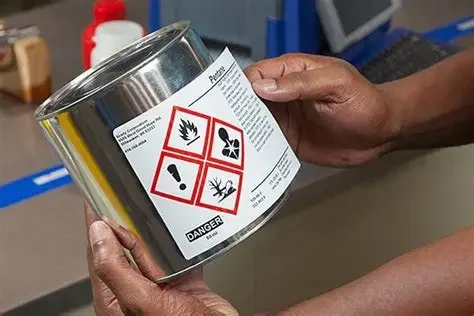
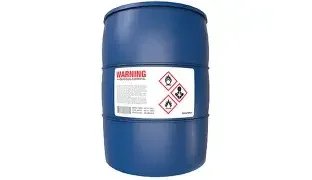
Hazard warning labels are used to identify substances or products that present a chemical, physical or environmental risk.
They typically contain warning symbols, product identification, handling information, safety instructions and, in many cases, barcodes or traceability data.
In regulated environments, these labels must be produced clearly and consistently so that important information remains visible throughout storage, handling and distribution.

How GHS Labelling Relates to Hazard Warning Labels
Many hazard warning labels are produced in line with the Globally Harmonised System, commonly referred to as GHS.
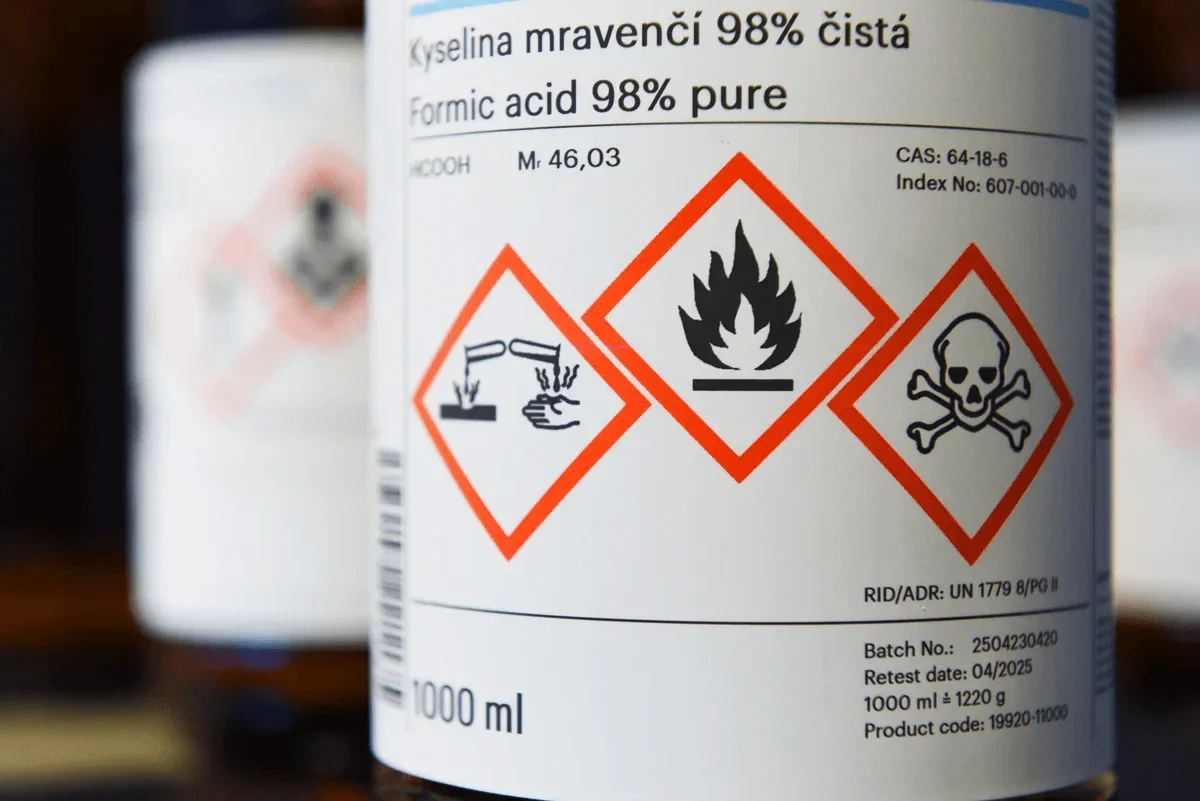
GHS labelling is used to create a consistent approach to chemical classification and communication, using defined hazard pictograms, warning statements and supplier information.
For businesses printing these labels in-house, this means the printer must be capable of producing layouts that are clear, accurate and suitable for the intended application.
Common Problems When Printing Hazard Warning Labels
Many businesses assume that any label printer can be used for hazard warning labels. In practice, this often leads to avoidable problems.
Limited print width can make labels difficult to format correctly
Smaller printers may struggle with labels containing multiple pictograms and large amounts of text
Some systems require label redesign before they will print properly
Barcode clarity can be affected when layouts are compressed
Colour requirements may introduce additional complexity depending on the application
What to Look for in a Hazard Warning Label Printer
The right hazard warning label printer should do more than simply put ink or thermal output onto a label. It should also support the way your organisation works. The type of industries that are affected by the legislation require the ability to print labels from SAP and so choosing a printer that is easy and simple to integrate is a key requirement. In environments where larger compliance labels are required, an A4 thermal printer can be used to ensure all the hazard information is displayed clearly and accurately.
Clear print quality for text, barcodes and warning information
Reliable output for compliance-driven labels
Compatibility with SAP, ERP or warehouse systems
Ability to handle larger or more detailed label layouts
Practical deployment without unnecessary software redevelopment
Choosing a GHS Printer for Hazard Warning Labels
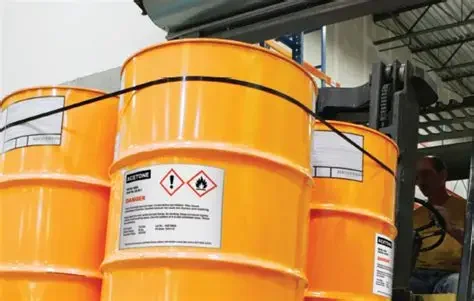
For organisations printing hazard warning labels in industrial environments, it is often necessary to move beyond general-purpose label printers and use a dedicated GHS printer.
A GHS printer is designed to support more complex label layouts, improve consistency and reduce the need for workarounds when printing from existing systems. Different type of companies require different sizes of label and so for some companies having a 8-inch label printer is essential.
If you need to print hazard warning labels from SAP or warehouse platforms, our guide to choosing a GHS printer for hazard warning labels explains the key considerations in more detail.
A Practical Solution for Industrial Label Printing
Where hazard warning labels need to be printed accurately from existing systems, the printer itself becomes a key part of the workflow.
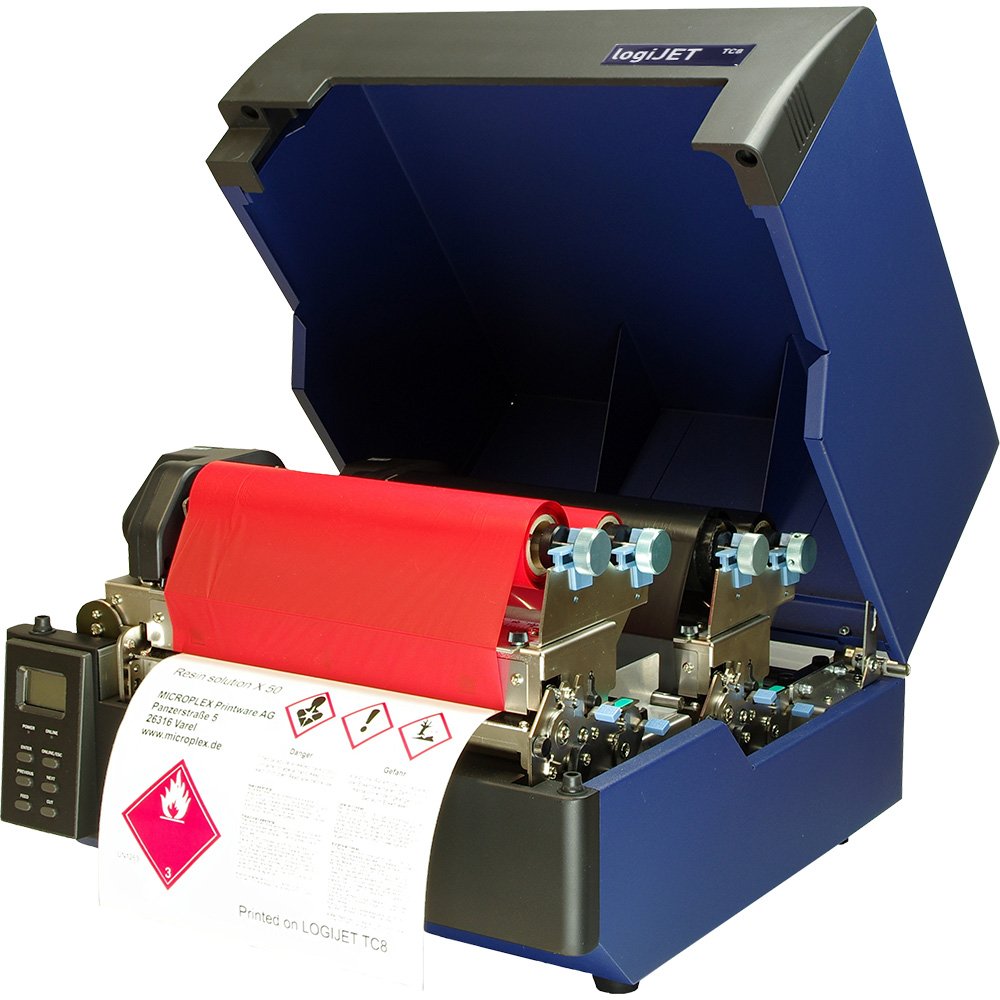
Solutions such as the Microplex logiJET TC-8 are designed for environments where label clarity, system compatibility and consistent output are critical.
This is particularly important where labels contain multiple data fields, warning information and operational barcodes.
Frequently Asked Questions
What is a hazard warning label printer?
A hazard warning label printer is a printer used to produce labels containing warning symbols, safety information and product identification for regulated or potentially dangerous substances.
Can hazard warning labels be printed from SAP?
Yes, provided the printer is compatible with the existing format and workflow. In some cases, standard printers require label redesign, while dedicated GHS printer solutions can reduce that complexity.
Are hazard warning labels the same as GHS labels?
Not always, but there is significant overlap. Many hazard warning labels used for chemicals follow GHS requirements, including pictograms and standardised warning information.
Do hazard warning labels need colour?
Some applications require colour for hazard pictograms, while others may use pre-printed media or alternative approaches depending on the compliance requirement.
What is the best printer for hazard warning labels?
The best printer depends on the label format, required durability, print volume and how well and easily it will integrate into your system. For complex industrial workflows, a dedicated GHS printer is often the best long-term option.
Need Help Choosing the Right Hazard Warning Label Printer?
If you are reviewing hazard warning label printers and want practical advice, we can help you assess the best route forward.
We can review your label format, discuss your system setup and help you identify whether a dedicated GHS printer would improve reliability and reduce implementation issues.
Contact us today to speak to a GHS Labelling Expert.
