
Microplex vs Epson vs CAB
GHS Printer Comparison
Choosing the right GHS printer to print hazard warning labels can be difficult, particularly when comparing thermal and colour label printing technologies.
This guide compares three of the most popular solutions available in the UK to help you decide which solution would best fit your organisation. They are Microplex Industrial Printers, Epson ColorWorks & CAB
Which GHS Printer Is Right for You?
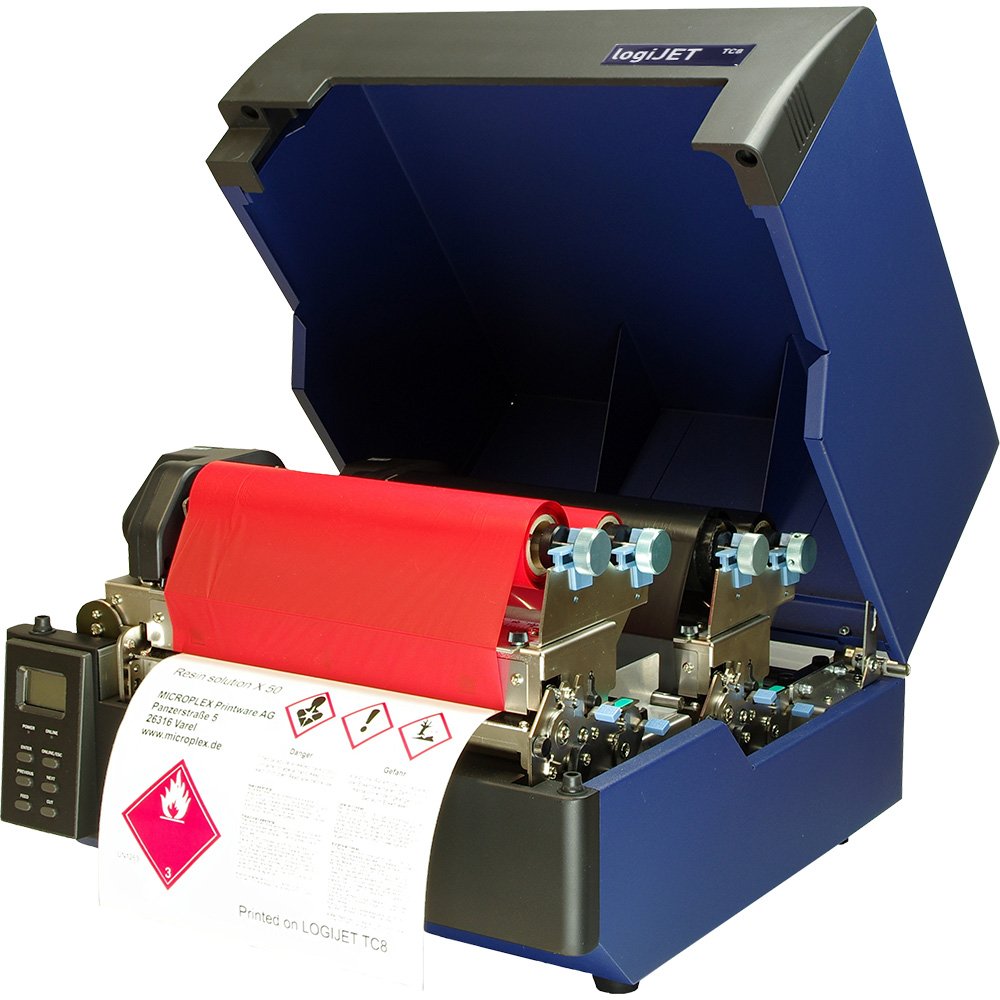
Microplex TC-8
Best For: SAP integration, large-format labels, industrial workflows
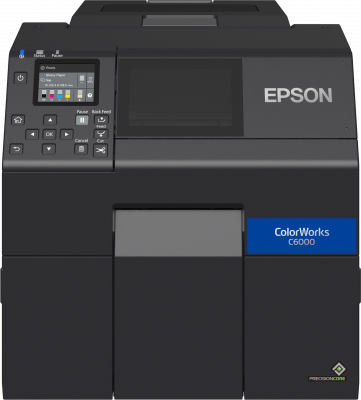
Epson ColorWorks
Best For: Full-colour labels, smaller batch printing
Cab
Best For: Standard thermal label printing with smaller formats
Microplex TC-8 GHS Printer
The Microplex logiJET TC-8 is designed for industrial environments where hazard warning labels must be printed accurately from existing systems.
It is particularly suited to applications requiring 8-inch large-format labels, complex layouts and direct integration with SAP or warehouse platforms.
Key advantages include the ability to print A5 labels in the correct orientation, high-resolution output for barcodes and text, and minimal requirement for system changes. For more information, you can view the full logiJET TC8-technical specifications to understand how the printer understands complicated data streams.

Epson ColorWorks GHS Printer
Epson ColorWorks printers are widely used for producing full-colour labels, including GHS hazard warning labels.
They offer the advantage of printing coloured pictograms directly onto blank media, removing the need for pre-printed labels.
However, in some environments, these systems can require additional configuration, software integration or label redesign to work effectively with existing ERP or warehouse systems.
They are often best suited to applications where colour output is essential and print volumes are moderate.
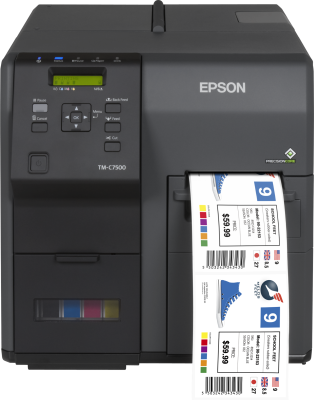
CAB GHS Label Printers
CAB printers are industrial thermal label printers commonly used for a wide range of labelling applications.
They are reliable and well-suited to standard label formats, particularly where single-colour printing is sufficient.
For GHS labelling, they are often used in conjunction with pre-printed media to include hazard pictograms.
However, they may require adjustments to label formats when printing larger or more complex layouts.
Comparison of Features
| Feature | Microplex TC-8 | Epson ColorWorks | CAB Printers |
|---|---|---|---|
| Print Technology | Thermal | Colour Inkjet | Thermal |
| Colour Output | Media-based / optional | Full colour | Limited |
| Large Labels (A5) | Excellent | Limited | Limited |
| SAP Integration | Native / direct | Requires configuration | Limited |
| Maintenance | Low | Higher | Low |
| Cost per Label | Low | Higher | Low |
| Industrial Use | Excellent | Moderate | Excellent |
Choosing the Best GHS Printer for Hazard Warning Labels
The right choice depends on your operational requirements. Read our guide to choosing a GHS printer
If your priority is printing large-format hazard warning labels directly from SAP or warehouse systems, a solution such as the Microplex TC-8 offers a practical and efficient approach.
If colour printing is essential and system integration is less complex, Epson ColorWorks may be suitable.
For simpler and basic applications using pre-printed media, then a CAB printers can provide a reliable options.
For more information, and to understand how GSH printers work in industries and get more detail, see our guide to choosing a GSH printer for hazard warning labels.
Expert Help and Support
If you need help choosing the right GHS printer, need assistance or have questions about inhouse hazard warning label production, we can help assess which solution best fits your environment.
We can review your label format, system setup and operational requirements to recommend a practical approach.
